Dr. Zoh Wellness Home

Category

Nutritional Science

11 articles

Two Vitamins Share a Name, but Only One Is Protecting Your Arteries and Bones

Two Vitamins Share a Name, but Only One Is Protecting Your Arteries and Bones

Most Americans consuming adequate vitamin K believe their cardiovascular and skeletal systems are protected—but the clinical evidence suggests otherwise. The distinction between K1 and K2 is not a minor biochemical footnote; it may be one of the most consequential nutritional oversights in modern preventive health. Understanding which form does what, and why the typical American diet delivers almost none of the right one, is a conversation long overdue.

B12: The Deficiency That Hides in Plain Sight—and Who's Really at Risk

B12: The Deficiency That Hides in Plain Sight—and Who's Really at Risk

Vitamin B12 deficiency is far more widespread than most Americans realize, quietly affecting not only vegans and vegetarians but also older adults, long-term medication users, and people with compromised digestive absorption. Standard blood panels frequently fail to detect marginal shortfalls, leaving neurological and energy consequences unaddressed for months or even years. Understanding who is truly at risk—and what the science says about supplementation—can make a meaningful difference in lon

Too Little or Too Much: How Selenium Walks a Razor's Edge in American Health

Too Little or Too Much: How Selenium Walks a Razor's Edge in American Health

Selenium occupies a uniquely precarious position in the American nutritional landscape—where geography, diet, and supplement habits can push the body toward either dangerous deficiency or quiet toxicity. Understanding where you fall on that spectrum may be one of the more consequential health decisions you make this year.

Iodine in the Age of Sea Salt and Processed Food: The Thyroid Deficiency No One Is Talking About

Iodine in the Age of Sea Salt and Processed Food: The Thyroid Deficiency No One Is Talking About

Despite the widespread fortification of table salt with iodine decades ago, a surprising number of Americans are quietly falling short of this essential mineral. Shifting dietary patterns, the rise of artisan and sea salts, and the dominance of processed foods have collectively undermined the public health gains that iodization once promised. Understanding how iodine actually behaves in the body—and why standard recommendations may not be sufficient for everyone—is the first step toward protecti

Copper's Quiet Crisis: The Overlooked Mineral Driving Brain Fog, Fatigue, and Cellular Energy Failure

Copper's Quiet Crisis: The Overlooked Mineral Driving Brain Fog, Fatigue, and Cellular Energy Failure

Copper rarely makes headlines, yet it operates at the center of some of the body's most critical biological processes—from mitochondrial energy production to neurological signaling. Most Americans fall short of optimal intake without ever knowing it, and the symptoms that follow are routinely misattributed to stress, aging, or more fashionable deficiencies. Understanding copper's role—and how to address a shortfall intelligently—may reframe how you think about persistent fatigue and cognitive de

Eating Well and Still Getting Sick: The Hidden Zinc Gap Undermining Your Immune Defenses

Many health-conscious Americans assume a balanced diet provides adequate zinc, yet clinical evidence increasingly suggests otherwise. Soil depletion, food processing, and absorption barriers conspire to leave even careful eaters short of this essential mineral. Understanding where the gap originates—and what it costs your immune system—may change how you approach your daily nutrition strategy.

Beyond the Sports Drink: What Your Cells Actually Need to Stay Hydrated and High-Functioning

Beyond the Sports Drink: What Your Cells Actually Need to Stay Hydrated and High-Functioning

Commercial sports drinks have long dominated the conversation around hydration, but the science of electrolyte balance is far more nuanced than any neon-colored bottle suggests. Potassium, sodium, calcium, and magnesium each play distinct and interdependent roles in cellular function, muscle performance, and even cognitive clarity. Understanding what your body truly requires—based on your activity level, health status, and diet—is the first step toward genuine hydration.

The 3 PM Wall: What Your Afternoon Energy Crash Is Really Telling You About Your Nutritional Status

That familiar mid-afternoon slump is rarely just about sleep debt or skipping your second cup of coffee. At Dr. Zoh Wellness, we take a closer look at the micronutrient shortfalls and metabolic patterns that silently drive post-lunch fatigue. Understanding the real drivers—iron status, B vitamin availability, and blood sugar dynamics—can help you address the root cause rather than masking it.

When Rest Becomes a Battleground: Understanding the Inflammation-Sleep Feedback Loop

Emerging research confirms that chronic inflammation and poor sleep are not separate problems—they actively worsen each other in a self-reinforcing cycle. Understanding this bidirectional relationship is the first step toward protecting both your immune function and your nightly recovery. At Dr. Zoh Wellness, we examine what the science says and how targeted strategies can help break the pattern.

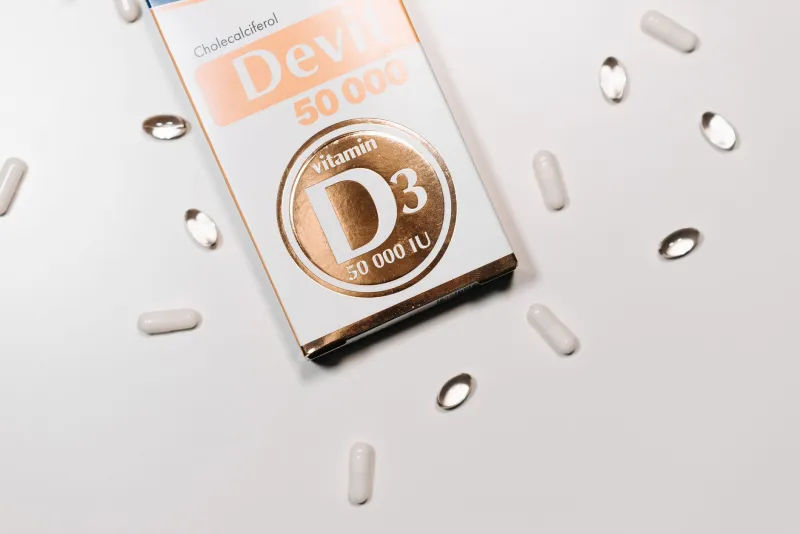
Your Vitamin D Level Is Not Average—So Why Is Your Supplement Dose?

The standard vitamin D recommendation was designed for a population average that may not resemble you at all. Factors ranging from skin pigmentation and geographic latitude to gut health and genetic variants can dramatically alter how much vitamin D your body actually produces, absorbs, and activates. This piece makes the case for moving beyond one-size-fits-all guidance and toward an individualized, test-informed approach.

The Silent Shortage: How Magnesium Deficiency Is Quietly Undermining American Health

The Silent Shortage: How Magnesium Deficiency Is Quietly Undermining American Health

Research suggests that nearly half of all Americans fail to consume adequate magnesium daily — a shortfall with serious consequences for sleep, mood, and muscle health. At Dr. Zoh Wellness, we examine the science behind this widespread deficiency and offer evidence-based guidance on how to address it effectively. Understanding why food sources often fall short is the first step toward reclaiming your well-being.